
Anesthesia

a black and white photo of a person wearing a tie

Managing Pain After Hip Surgery: Understanding Severity and Exploring Analgesia Options

The Importance of Managing Pain After Hip Surgery Undergoing hip surgery is a significant medical procedure that can greatly improve one’s quality of life. However, it is not without its challenges, particularly when it comes to managing post-operative pain. Proper pain management is crucial for a successful recovery and ensuring patient comfort during the healing […]

Managing Pain After Hip Surgery: Understanding Severity and Exploring Analgesia Options Read More »
Nasal Intubation

Nasal Intubation can be accomplished by special nasal tubes or by simple oral tubes. Advantages of nasal intubation over oral intubation: 1. Better fixation and therefore less chances of accidental extubation. 2. No possibility of tube occlusion by biting. 3. Better oral hygiene can be maintained. 4. Oral feeding is possible. 5. Better tolerated by

Nasal Intubation Read More »

Desflurane induction

There is rapid desflurane induction of anesthesia because of low solubility in blood, but a mask induction may produce coughing, breath holding, secretions and desaturation. Also the high initial percentage of desflurane induction may cause tachycardia and hypertension due to sympathetic effects. It is not recommended for inhalation induction. Recovery from desflurane induction is faster

Desflurane induction Read More »

Flow Volume Loops

Flow Volume Loops are more sensitive and informative in detecting pulmonary diseases than conventional spirometry. Modem microprocessor controlled recording spirometers automatically generate these flow volume loops. The following are the parameters that are assessed in the Flow volume loops. TV= Tidal volume IRV = Inspiratory reserve volume IC = Inspiratory capacity ERV = Expiratory reserve

Flow Volume Loops Read More »

Desflurane mechanism of action

Desflurane mechanism of action is briefly studied. There is a dose-dependent suppression of EEG, at MAC greater than 1.66 the LEG becomes isoelectric. There is no evidence of epileptiform activity. It decreases the amplitude of somatosensory evoked potentials. There is a dose-dependent decrease in cerebral metabolism and cerebral vasodilatation. Cerebral autoregulation is impaired similar to

Desflurane mechanism of action Read More »

Boyle’s law

Boyle’s law

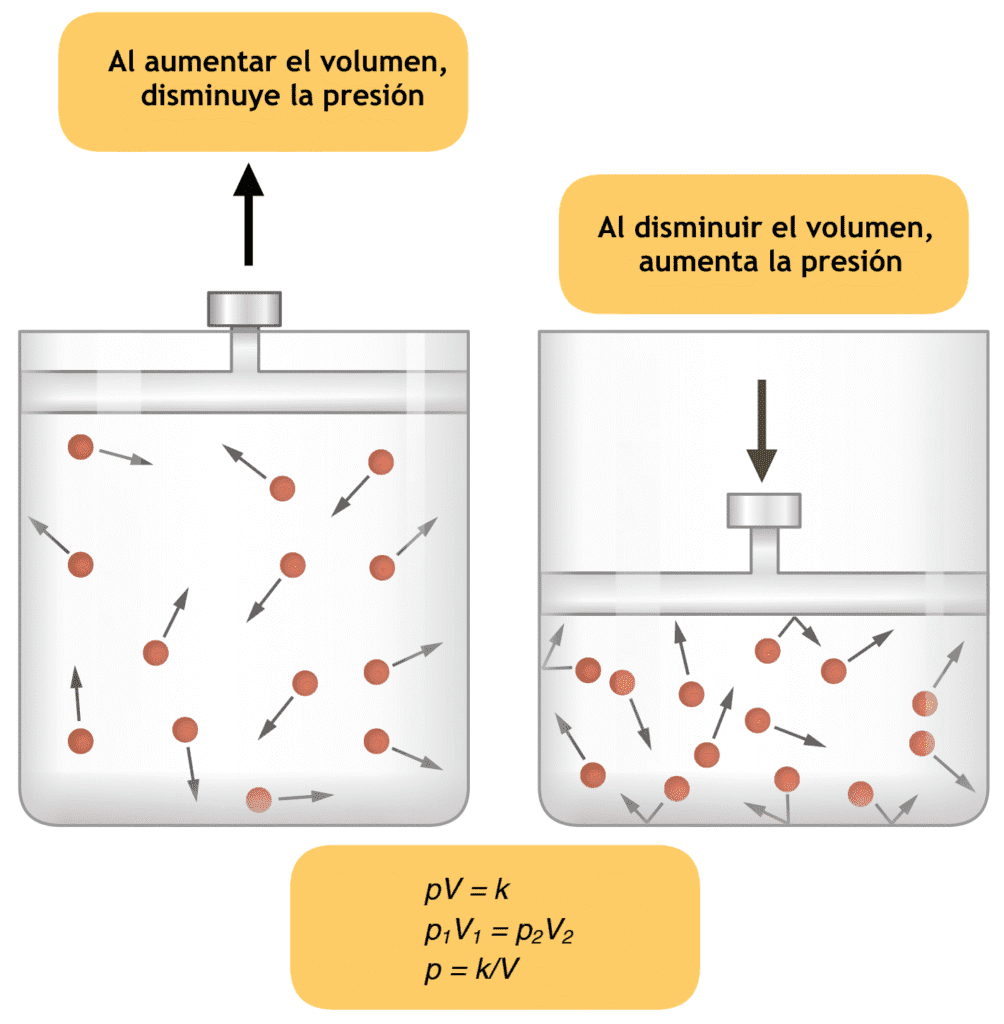
Boyle’s law is an important gas law that states that at a constant temperature, the volume of gas is inversely proportional to the pressure of the gas. This means that when the temperature of a gas is kept constant, the relationship between Volume and pressure of a gas is inverse. Another way to put tis law

Boyle’s law Read More »

Anesthesia gases

Anesthesia gases are the gases used to anesthetize a patient for surgery. The common gases used in general Anesthesia are: Oxygen Nitrous Oxide Air Halothane Sevoflurane Desflurane Isoflurane and many more… Nitrous oxide (N2O) is one of the popular anesthesia gases and is not metabolized in human tissue, however it reacts with vitamin 812 and

Anesthesia gases Read More »

Scroll to Top